
What to Do If Your Heat Pump Freezes Up
Discovering that your heat pump is encased in a block of ice can be a startling experience for any homeowner. You look out the window on a chilly morning expecting to see your reliable heating system humming along, but instead, it looks like an igloo or a frozen sculpture. This sight often triggers immediate panic and the fear of a broken system and an expensive repair bill. While a frozen heat pump is certainly a sign that the system requires attention, it does not always mean catastrophic failure. Understanding why this happens and knowing the correct steps to take can save your system from permanent damage and restore warmth to your home quickly.
Heat pumps are incredible pieces of technology that are gaining popularity in Chesterfield due to their efficiency and versatility. Unlike a furnace that burns fuel to create heat, a heat pump moves heat. Even in cold weather, there is thermal energy present in the outside air. The heat pump absorbs this energy through the outdoor coil and transfers it inside. As a byproduct of this process, the outdoor coil gets very cold, often colder than the freezing point. When moisture in the air comes into contact with this frigid coil, condensation forms and instantly freezes. This means that seeing some frost on your unit is actually evidence that it is working correctly. However, there is a fine line between a light dusting of frost and a solid casing of ice that stops the system from functioning.
Understanding the Normal Defrost Cycle
To properly troubleshoot a frozen unit, you must first understand how the system is designed to manage ice on its own. Engineers anticipate that frost will form on the outdoor coil during the heating season. To combat this, heat pumps are equipped with a defrost cycle. This is an automatic function controlled by a circuit board and sensors within the unit. When the sensors detect that a certain amount of ice has built up on the coil, the system initiates a temporary reversal of its operation.

During a defrost cycle, the heat pump effectively switches into air conditioning mode for a few minutes. It reverses the flow of refrigerant so that hot gas is sent to the outdoor coil instead of the indoor coil. This heat melts the accumulated frost and ice. You might see steam rising from the outdoor unit during this process, and you might hear a loud “whoosh” sound as the reversing valve shifts. This is perfectly normal behavior. To prevent cold air from blowing into your home while this is happening, the system will typically turn on your backup heating elements, often referred to as emergency heat or auxiliary heat, to temper the air coming from your vents.
Once the sensor detects that the coil is warm enough and the ice is gone, or after a set period of time, the system switches back to heating mode. The problem arises when this cycle fails to occur or when the ice buildup is too severe for the defrost cycle to melt. If the unit is completely covered in thick ice, the airflow is blocked, and the heat transfer process stops. The system continues to run, consuming electricity, but it cannot pull heat from the outside air. This is when intervention becomes necessary to prevent damage to the compressor and fan blades.
Immediate Steps to Take When You See Ice
If you notice that your heat pump is frozen solid and the ice is not melting away, the first rule is to avoid panic and avoid using force. Do not grab a shovel, a hammer, an ice pick, or any other sharp tool to try and chip the ice away. The coils on your heat pump are made of copper or aluminum tubing and thin aluminum fins. These materials are extremely delicate. One slip with a sharp object can puncture the coil, causing the high pressure refrigerant to escape. A refrigerant leak is a major repair that can cost thousands of dollars and often necessitates replacing the entire unit.
The correct first step is to turn off the system at the thermostat to stop the compressor from running. If your thermostat has an “Emergency Heat” or “Aux Heat” setting, switch to that. This setting bypasses the heat pump entirely and engages the electric resistance heating strips or the backup gas furnace if you have a dual fuel system. This will keep your home warm while allowing the outdoor unit to rest. If you do not have a backup heat setting, simply turn the thermostat to “Off.” Running the compressor while it is encased in ice puts an incredible strain on the motor and can lead to catastrophic failure.
Need your heat pump repaired? Click here for our heat pump repair service.
Once the system is off, you can help the thawing process. If the temperature is above freezing, you can simply wait for nature to take its course. If it is bitter cold, you can gently spray the outdoor unit with a garden hose using warm water. Do not use boiling water, as the thermal shock could crack components. Simply run water over the ice to help it melt. Once the ice is cleared, you can visually inspect the unit for debris, but do not turn it back on until you have addressed the potential causes. If the ice returns immediately after you turn the system back on, you need to leave it off and call a professional.
Airflow Restrictions as a Primary Culprit
Airflow is the lifeblood of any HVAC system, and restricted airflow is one of the most common causes of a freeze up. The heat pump needs a constant volume of air moving over both the indoor and outdoor coils to facilitate heat transfer. If that air cannot move, the temperature of the coils drops rapidly, leading to ice formation. The most frequent offender is a dirty or clogged air filter.
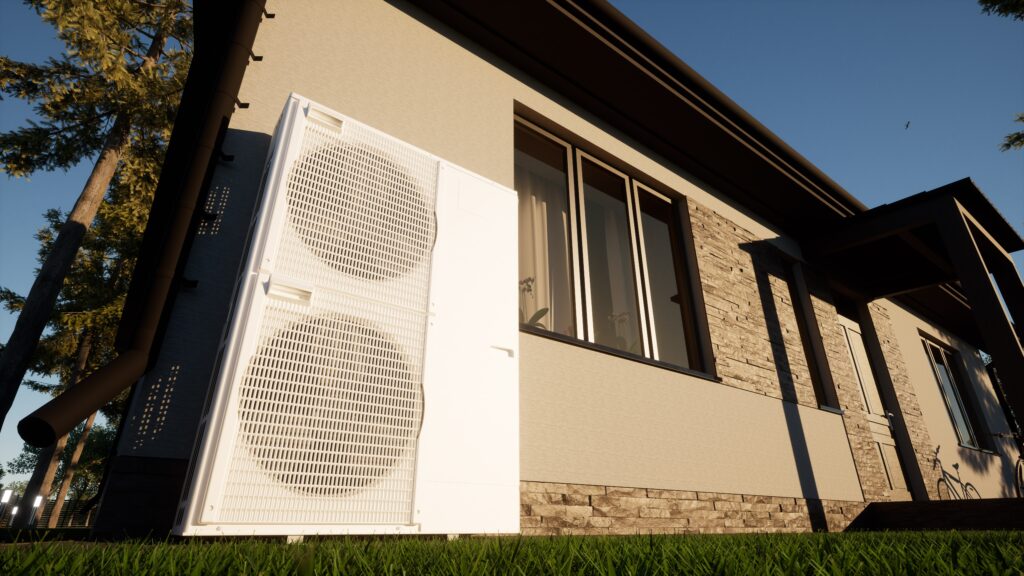
It is easy to forget that the filter inside your home affects the unit outside. If the filter is clogged with dust and pet dander, the blower motor cannot pull enough air across the indoor evaporator coil. This disrupts the pressure and temperature balance of the refrigerant loop. The result is often a system that runs inefficiently and eventually freezes up. Check your filter immediately. If it is gray and matted, replace it with a fresh one. This simple step resolves a surprising number of freezing issues.
Restrictions can also occur at the outdoor unit. The coil needs to breathe. During the fall and winter, leaves can pile up around the base of the unit, and snow drifts can accumulate against the sides. If the unit is buried in a snowbank or smothered by wet leaves, it cannot pull air through the fins. The lack of warm airflow causes the coil temperature to plummet, and the ice spreads rapidly. Take a broom and gently clear away any snow, leaves, or debris from around the unit. Ensure there is at least two feet of clearance on all sides to allow for proper circulation.
Mechanical Failures and Defrost Board Issues
If your filter is clean and the outdoor unit is clear of debris, the issue is likely mechanical. There are several internal components that must work in harmony to prevent freezing, and the failure of any single one can lead to an icy buildup. A common failure point is the defrost control board or the associated sensors. The system relies on these sensors to tell it when the coil is cold enough to require a defrost cycle. If the sensor is faulty or the thermostat on the coil is broken, the system will never know it needs to thaw. It will continue to run in heating mode while the ice gets thicker and thicker, eventually enveloping the entire unit.
Another mechanical cause involves the outdoor fan motor. This fan pulls air through the coil to extract heat. If the motor is failing, spinning too slowly, or has stopped completely, the air exchange stops. Without air moving across the coil, the refrigerant cannot absorb heat, and the coil temperature drops below freezing instantly. You might hear the compressor humming, but if the fan blade above is stationary or wobbling, you have found the source of the problem.
A stuck reversing valve is another possibility. This valve is the physical component that switches the flow of refrigerant between heating and cooling modes. If it gets stuck in the heating position, the system can never switch to the cooling mode required for the defrost cycle. It will attempt to defrost, but the valve will not shift, and the hot gas will never reach the outdoor coil to melt the ice. These are complex mechanical issues that require the diagnostic tools and expertise of a certified technician from Lolich Heating and Cooling to repair safely.
Refrigerant Levels and Leaks
Refrigerant is the chemical medium that carries heat into your home. It circulates in a closed loop, meaning the amount of refrigerant in the system should remain constant forever unless there is a leak. When refrigerant levels drop due to a leak, the pressure inside the system drops as well. In the world of thermodynamics, pressure and temperature are directly related. A drop in pressure leads to a drop in temperature.
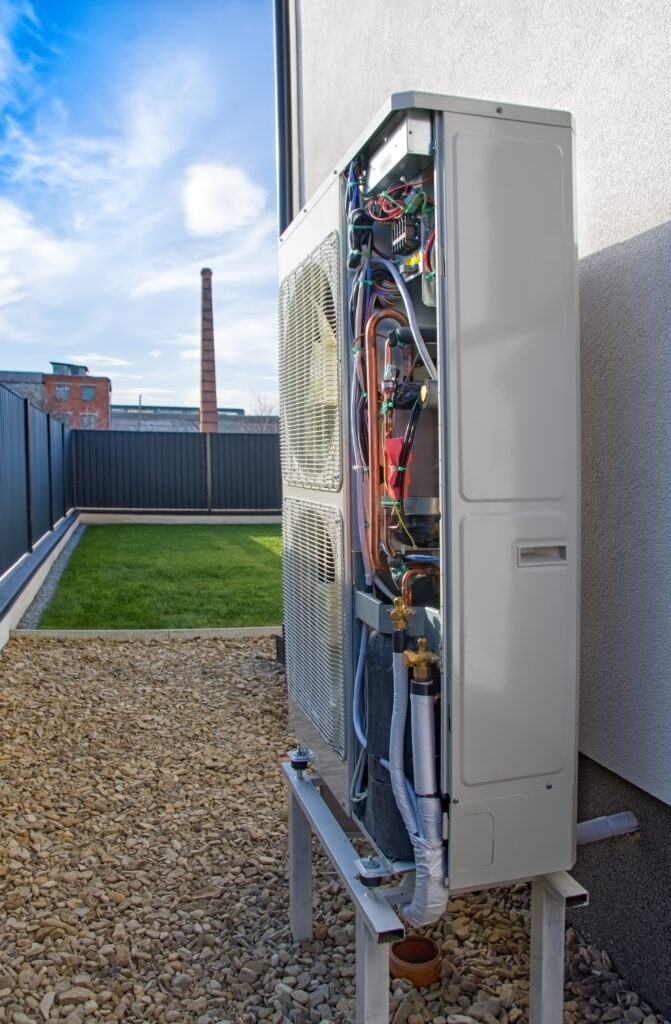
When the system is low on refrigerant, the coil becomes much colder than it was designed to be. It gets so cold that any moisture in the air freezes on contact, and the defrost cycle is often unable to keep up with the rapid rate of freezing. A low refrigerant charge will cause the system to work much harder while producing less heat. You might notice that the air coming from your vents feels lukewarm or cool, causing the system to run constantly. This continuous operation combined with the supercooled coil creates the perfect recipe for a block of ice.
Diagnosing a refrigerant issue is not a DIY task. It is illegal and dangerous to handle refrigerant without proper certification. A technician must attach gauges to the system to read the pressures and determine if the charge is low. If it is low, they must locate the leak using electronic detectors or dye tests, repair the leak, and then recharge the system to the manufacturer’s exact specifications. Simply adding more refrigerant without fixing the leak is a waste of money and bad for the environment, as the new refrigerant will leak out just like the old supply.
Drainage and Moisture Management
Sometimes the source of the ice is external rather than internal. A heat pump produces water as it operates. When the defrost cycle runs, the ice melts and turns into water, which must drain away from the unit. If this water cannot drain, it will pool at the base of the unit and refreeze when the cycle ends. Over time, this ice builds up from the bottom, eventually reaching the coils and fan blades.
Want to know ways to lower your heating bill? Click here for more information?
Check the position of your unit. It should be elevated on “snow legs” or a plastic pad that keeps it off the ground, allowing water to drain freely. If the unit has settled over the years and is sitting directly in the mud or dirt, the water has nowhere to go. Additionally, check the gutters above the unit. A leaky gutter that drips water directly onto the heat pump during a freeze can encase the unit in ice from the top down. This external ice is just as damaging as internal frost. Fixing gutter leaks and ensuring the unit is level and elevated are crucial preventative measures.
The Consequence of Ignoring the Problem
It is tempting to ignore a frozen heat pump, especially if the backup heat is keeping the house relatively warm. However, this is a dangerous and expensive mistake. When the outdoor coil is blocked by ice, the compressor continues to pump, but it cannot do its job. This leads to a condition where the refrigerant does not vaporize properly. Liquid refrigerant can then be pulled back into the compressor. Compressors are designed to compress gas, not liquid. Trying to compress a liquid creates massive mechanical stress, a phenomenon known as “liquid slugging,” which can destroy the valves and pistons inside the compressor.
Furthermore, the sheer weight of the ice can cause physical damage. It can bend the aluminum fins, crush the fan blades, and warp the metal housing of the unit. The fan motor will burn itself out trying to spin against the resistance of the ice. What might have been a simple sensor replacement or a filter change can quickly escalate into a complete system replacement if the unit is allowed to run in a frozen state. The efficiency loss is also staggering. You are paying for electricity to run a machine that provides zero heat, while simultaneously paying a premium to run your backup emergency heat strips.
A frozen heat pump is a clear distress signal from your HVAC system. While a light frosting is a normal part of winter operation in Chesterfield, a solid block of ice indicates that the natural balance of the system has been disrupted. Whether it is caused by a simple airflow restriction like a dirty filter or a complex mechanical failure like a bad defrost board or refrigerant leak, the immediate action is the same. Turn the system off to protect the compressor and switch to emergency heat to keep your family warm.
Once the immediate danger to the equipment is managed, professional diagnosis is the only way to ensure the long term health of your system. Attempting to chip the ice away is a recipe for disaster, and ignoring it will lead to expensive failures. By addressing the issue promptly and partnering with the experts at Lolich Heating and Cooling, you can identify the root cause and restore your system to its efficient, reliable self. Winter is too long to spend worrying about your heat; let us help you keep the ice outside where it belongs.