
Top Reasons for Uneven Heating and Cooling
Walking through your home should be a seamless experience of comfort. You should be able to move from your living room to your kitchen and then up to your bedroom without noticing a drastic shift in temperature. For many homeowners in Chesterfield, this is simply not the reality. It is a common source of frustration to have a living room that feels perfect while the master bedroom feels like an icebox in the winter or a sauna in the summer. This phenomenon is known as uneven heating and cooling. It is not just a minor annoyance that requires you to wear extra layers in one specific room. It is often a symptom of underlying issues within your HVAC system or your home’s construction.
Ignoring these temperature imbalances can lead to higher energy bills and reduced equipment life. When one room is uncomfortable, the natural reaction is to adjust the thermostat. You might crank up the heat to warm that one cold bedroom, but in doing so, you overheat the rest of the house. This forces your furnace or air conditioner to run longer and work harder than it should. The result is a cycle of inefficiency that wastes money and accelerates wear and tear on your expensive mechanical systems. Understanding the root causes of uneven temperatures is the first step toward reclaiming total home comfort. It requires looking at the system as a whole, from the generation of the air to its delivery and retention within your living spaces.
Airflow Restrictions from Dirty Filters and Vents
The journey of conditioned air begins at your furnace or air handler. The system is designed to push a specific volume of air through your home to maintain a consistent temperature. When this airflow is restricted, the system loses its ability to distribute air effectively to the furthest reaches of the house. The most frequent and easily correctable cause of airflow restriction is a dirty air filter. The filter is the gatekeeper of your HVAC system. Its primary job is to protect the internal components from dust and debris. As it does its job, it fills up with the particulate matter it captures.

If the filter becomes clogged with dust, pet dander, and pollen, it acts like a solid wall. The blower motor struggles to pull air through this dense barrier. This reduction in total system airflow means there is simply less air available to push down the long duct runs to the bedrooms or bonus rooms at the far end of the house. Those distant rooms are the first to suffer. They receive a weak trickle of air instead of a robust stream, making it impossible for them to reach the set temperature. Checking and changing your filter is the simplest diagnostic step you can take. A clean filter restores proper pressure and allows the air to reach every vent in the home.
Physical blockages at the vent level are another common issue. Air registers are often located on the floor or low on the wall, placing them in prime territory for obstruction. Homeowners often inadvertently place heavy furniture, long curtains, or area rugs over these vents. A couch placed directly over a supply vent will absorb the heat or cool air right into the fabric, preventing it from circulating into the room. Even a partial blockage can disrupt the airflow dynamic in a room enough to create a temperature imbalance. Walk through every room in your house and ensure that every supply vent and return grille has a clear path to breathe.
Leaky and Poorly Designed Ductwork
Your ductwork is the vascular system of your home’s comfort. It is the network of metal or flexible tubes that carries the conditioned air from the unit to the rooms. If this delivery system is compromised, the air you paid to heat or cool will never reach its destination. In many homes, ductwork runs through unconditioned spaces like attics, crawlspaces, or basements. Over time, the seals at the joints can dry out and fail, or the tape can peel away. Sections of duct can even become completely disconnected due to settling or accidental bumps.
Need an air duct installation? Click here for our air duct installation service.
When you have leaks in your supply ducts, the air escapes into the attic or crawlspace. You end up paying to heat the outdoors or the insulation in your attic while your living spaces remain uncomfortable. This loss of pressure means that by the time the air reaches the vents at the end of the run, it has lost its velocity and its thermal energy. The rooms closest to the furnace might feel fine because the pressure is high there, but the rooms further away will suffer from significant airflow shortages. Sealing these leaks is essential for ensuring that the air is delivered where it is actually needed.
Beyond leaks, the original design of the ductwork plays a massive role. Ductwork sizing is a precise science. If the ducts leading to a specific room are too small, they physically cannot carry enough air to heat or cool that space, regardless of how powerful the furnace is. Conversely, if a duct run is too long or has too many sharp turns and bends, the friction will slow the air down significantly. In some older homes in the Chesterfield area, the duct system was not designed with modern comfort standards in mind. It may lack enough return air vents to pull the stale air out of the rooms. Without a return vent, a room can become pressurized. This pressure prevents new, conditioned air from entering the room, leaving the door closed room stagnant and uncomfortable.
The Impact of Insulation and Windows
Your HVAC system battles against the outdoor elements every day. The thermal envelope of your home, which includes the insulation, walls, windows, and doors, is the defensive line. If your home has weak points in this envelope, your heating and cooling system will struggle to maintain an even temperature, no matter how well it is running. Uneven insulation is a major culprit. This is particularly common in rooms that are additions or spaces that sit above a garage.
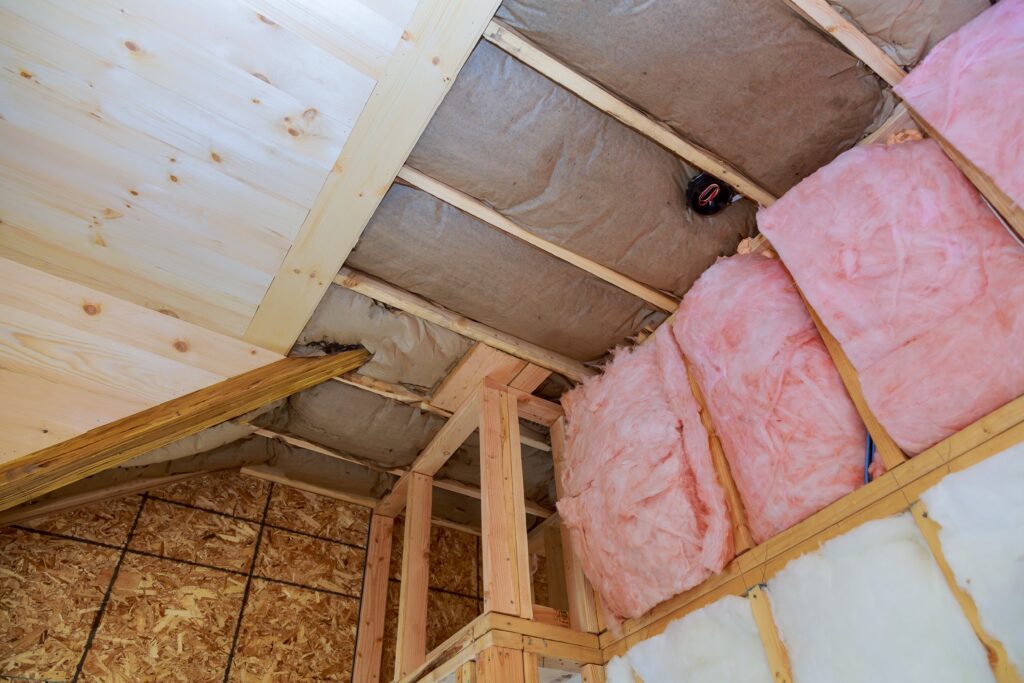
A bedroom located above a garage is notoriously difficult to keep comfortable. The floor of that room is essentially the ceiling of the garage, which is an unconditioned space. In the winter, the cold from the garage radiates up through the floor. In the summer, the heat rises. If the builder did not insulate the garage ceiling perfectly, that room will always be influenced by the garage temperature, making it distinct from the rest of the house. The same applies to attic insulation. If the insulation has settled or is thinner over certain rooms, heat will escape rapidly in the winter and penetrate quickly in the summer, causing those specific rooms to drift from the thermostat setting.
Windows are another critical factor in uneven heating and cooling. Single pane windows or older windows with failing seals offer very little resistance to heat transfer. They are essentially holes in your wall. If you have a room with large, south facing windows, it will experience significant solar heat gain in the summer. The sun beats down on the glass and heats the room like a greenhouse. Your thermostat, located in a dark hallway, will not sense this heat. The AC will not run enough to cool that sun drenched room, leaving it much hotter than the rest of the house. In the winter, those same windows can create drafts that make the room feel chilly even when the furnace is running.
Issues with Thermostat Location and False Readings
The thermostat is the brain of your HVAC system. It makes decisions for the entire house based on the temperature readings it gathers from its immediate location. If the thermostat is placed in a poor location, it will make decisions that are right for that one spot but wrong for every other room. This leads to significant temperature variances throughout the home.
For example, if a thermostat is installed near the kitchen, the heat from cooking might trick it into thinking the whole house is warm. It will shut off the furnace prematurely, leaving the bedrooms freezing cold. Similarly, if the thermostat is located in a hallway that receives direct sunlight in the afternoon, the sun will warm the plastic casing. The sensor will register a high temperature and turn on the air conditioner. The AC will then blast cold air into the rest of the house which is already cool, making the other rooms uncomfortably cold just to satisfy the false reading on the sunny thermostat.
Drafts can also cause ghost readings. A thermostat located near a frequently used front door or a drafty window will sense the rush of outside air. In the winter, a blast of cold air from an opening door will trigger the furnace to run. This might overheat the rooms that are well insulated and draft free. The thermostat needs to be in a central, neutral location to provide a representative average of the home. If your thermostat is in a bad spot, moving it is a relatively simple fix that can drastically improve whole home balance. Using remote temperature sensors that average the readings from multiple rooms is another modern solution that helps combat this single point of failure.
The Challenge of Multilevel Homes
Physics dictates that heat rises. This simple fact creates one of the most persistent challenges for uneven temperatures in two story homes. In the winter, the warm air from your furnace naturally floats up to the second floor. The upstairs rooms often become stuffy and overly warm, while the downstairs rooms feel chilly. The HVAC system has to work against gravity to push warm air down and against buoyancy to keep the upstairs from overheating.
In the summer, the dynamic reverses but remains problematic. The cool air from your AC is denser and heavier than warm air. It wants to sink to the lowest point in the house. This makes cooling the second floor extremely difficult. The cool air pumped to the upstairs vents naturally cascades down the stairwell to the first floor. Meanwhile, the heat from the attic radiates down into the second floor bedrooms. The result is a freezing cold living room downstairs and a hot, humid master suite upstairs.
Not sure if you want ductless or central air? Click here for more information.
This “stack effect” is hard to overcome with a single zone HVAC system. A single thermostat on the first floor cannot possibly manage the distinct climate needs of two different elevations. Homeowners often try to combat this by closing vents on the first floor to force air up, but this increases static pressure and can damage the system. The most effective solution for multilevel homes is typically a zoning system. Zoning uses motorized dampers in the ductwork to direct air specifically to where it is needed. It allows you to have a thermostat upstairs and one downstairs, so the system can send cool air upstairs in the summer without freezing out the downstairs.
Incorrect System Sizing leading to Short Cycling
The size of your HVAC unit matters immensely for even distribution. There is a “Goldilocks” zone for equipment sizing. It needs to be just right. If a furnace or air conditioner is too large for the square footage of the home, it will create comfort problems. An oversized unit is very powerful. It will turn on and satisfy the thermostat setting in a matter of minutes. This is called short cycling.
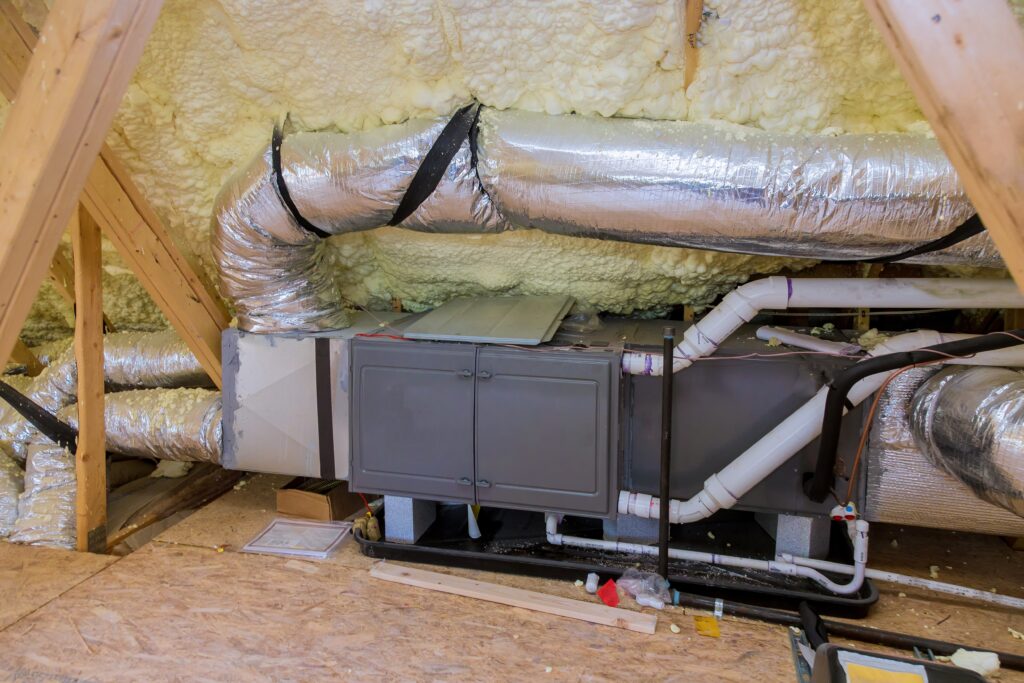
While it might seem good to heat or cool the house quickly, it is actually detrimental to even temperatures. Air needs time to mix. When a system runs for a proper cycle, typically fifteen to twenty minutes, it creates a circulation pattern that mixes the air in the rooms, blending the hot and cold spots. If the system blasts on and shuts off in five minutes, the air near the thermostat reaches the target temperature, but the air in the distant corner bedrooms never gets a chance to circulate. The system shuts down before the conditioned air can travel to the extremities of the house.
Conversely, an undersized unit will run constantly but lack the power to push air to the far ends of the ductwork effectively. It will simply maintain the temperature near the unit while the outer rooms drift closer to the outdoor temperature. Proper sizing requires a professional load calculation that takes into account not just square footage, but also window sizes, insulation levels, and the home’s orientation. If your unit is the wrong size, uneven temperatures will be a permanent struggle until the equipment is replaced with a properly sized system.
Aging Equipment and Component Failure
Sometimes uneven heating and cooling is a sign that your system is simply getting old and losing its vitality. As HVAC components age, they lose efficiency and power. The blower motor is the heart of the airflow system. Over years of operation, the motor can weaken. It may no longer be able to spin at the RPMs required to generate the static pressure needed to push air to the second floor or the back bedrooms.
Internal components like the heat exchanger in a furnace or the coils in an AC unit can also degrade. If the coils are dirty or the compressor is wearing out, the system produces air that is not as hot or as cold as it should be. The system then has to run longer to try and satisfy the thermostat. This weak stream of lukewarm air dissipates quickly as it travels through the ducts. By the time it reaches the furthest vents, it has lost its conditioning entirely.
Routine maintenance can prevent this gradual decline. A technician can clean the blower wheel, lubricate the motor, and ensure the capacitors are delivering the right voltage. However, eventually, every mechanical system reaches the end of its lifespan. If your system is over fifteen years old and you are noticing significant temperature differences between rooms that were not there before, it may be a sign that the unit no longer has the strength to condition the entire home evenly.
Living with uneven heating and cooling is a compromise you do not have to make. Your home should be a sanctuary of consistent comfort in every room, regardless of the season. Whether the issue stems from a simple dirty filter, leaky ductwork, insulation gaps, or an aging system, there is always a solution. Ignoring the problem only leads to discomfort and wasted money on utility bills.
Diagnosing the exact cause of hot and cold spots requires a comprehensive view of the home as a system. It takes an expert eye to evaluate the airflow, the duct design, and the equipment performance. If you are tired of carrying a sweater from the living room to the bedroom, contact the professionals at Lolich Heating and Cooling. We can perform a detailed inspection, identify the root cause of your uneven temperatures, and implement a solution that restores balance to your Chesterfield home.