
What to Do If Your Heat Pump Freezes Up
Waking up on a cold morning in Chesterfield to find your heat pump encased in a block of ice is an alarming experience. It immediately raises concerns about the comfort of your home and the potential cost of repairs. You rely on this system to pull heat from the outdoor air and transfer it inside to keep your family warm. When the outdoor unit looks more like an igloo than a piece of mechanical equipment, it is clear that something has interrupted that process. While a light dusting of frost is a normal part of operation during winter, a thick layer of solid ice is a serious issue that prevents your system from functioning correctly.
Understanding the difference between normal frost and problematic ice is the first step in troubleshooting. Heat pumps work by absorbing thermal energy from the air, even when it is cold outside. This process causes condensation to form on the outdoor coils, which freezes into frost. Your system is designed to handle this. However, when that frost continues to build and turns into a solid sheet of ice that encases the entire unit, it creates a barrier. This barrier stops the air from moving over the coils, which kills the efficiency of the machine and can lead to severe mechanical damage if left unchecked. Knowing how to react when you see this buildup can save you from an expensive system replacement.
Identifying the Severity of the Ice Buildup
Not all ice is created equal when it comes to heat pumps. It is important to visually inspect the unit to determine if you are looking at a normal operational phase or a malfunction. As the heat pump extracts heat from the outdoor air, the moisture in that air freezes onto the cold metal coils. You will often see a thin white layer of frost on the sides of the unit on chilly, humid mornings. This is expected behavior. The system has a built in defense mechanism to handle this accumulation.
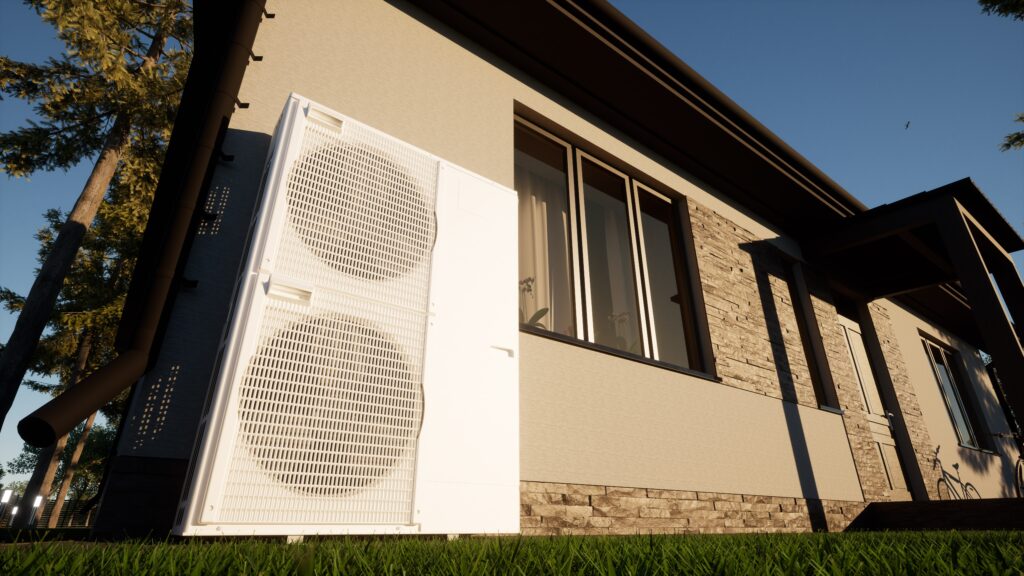
The problem arises when the ice becomes thick enough to block airflow completely. If you cannot see the metal fins of the coil because they are buried under an inch or more of solid ice, the system is in trouble. You might also notice ice building up on the top of the unit, interfering with the fan blades, or pooling around the base of the unit. Another sign of a problematic freeze is the duration. Normal frost should melt away periodically. If the ice persists for hours or days, or if it continues to accumulate despite the system running, it indicates that the self cleaning cycle has failed or is overwhelmed.
Listening to the unit can also provide clues. A system that is struggling to breathe through a wall of ice often makes different noises. You might hear the compressor straining, making a louder humming or grinding sound than usual. You might also hear the fan blades hitting ice, which creates a loud clanking or ticking noise. These auditory signals are warnings that the system is under immense physical stress and needs immediate attention to prevent a catastrophic breakdown.
Understanding How Your Heat Pump Melts Ice
Your heat pump is equipped with a smart feature known as the defrost cycle. This is the primary way the system manages winter weather. Under normal conditions, sensors on the outdoor coil monitor the temperature and the amount of frost accumulation. When the sensors detect that the frost has reached a certain level, they send a signal to the control board to initiate the defrost mode.
During this cycle, the heat pump temporarily reverses its operation. It essentially switches to air conditioning mode. This might sound counterintuitive in the middle of winter, but it serves a specific purpose. By switching to cooling mode, the system sends hot refrigerant gas to the outdoor coil instead of the indoor coil. This heat melts the frost and ice rapidly. You might see steam rising from the outdoor unit, which can look like smoke, but it is just water vapor. You may also hear a loud swooshing noise as the reversing valve shifts positions.
Need your heat pump repaired? Click here for our heat pump repair service.
To keep you from freezing inside your home while the system is melting the ice outside, the heat pump will typically turn on its auxiliary heating elements. These are usually electric resistance coils that warm the air before it blows out of your vents. Once the outdoor sensor detects that the coil is warm and the ice is gone, the system switches back to normal heating mode. A solid block of ice means this cycle is not happening, or it is not lasting long enough to do the job.
Immediate Steps to Take When You See Ice
If you discover that your heat pump is frozen solid, your immediate priority is to stop the damage. The first rule is to never use physical force to remove the ice. It is tempting to grab a shovel, a hammer, or an ice pick to chip away at the buildup. This is the fastest way to destroy your system. The coils are made of thin copper or aluminum tubing and delicate fins. One slip with a sharp tool can puncture the refrigerant lines. A puncture leads to a refrigerant leak, which is an expensive repair that often requires replacing the entire outdoor unit.

The correct action is to turn off the heat pump at the thermostat. If you continue to run the compressor while it is encased in ice, you risk burning it out. Switch your thermostat to “Emergency Heat” or “Aux Heat.” This setting bypasses the heat pump completely and uses your backup heating source, whether that is electric strips or a gas furnace. This will keep your home warm while allowing the outdoor unit to thaw safely.
If the ambient temperature is above freezing, you can let the ice melt naturally. If it is very cold, you can help the process along with water. Connect a garden hose to a warm water spigot if possible, or just use normal tap water. Gently run the water over the ice to melt it. Do not use boiling water, as the sudden temperature shock can crack the metal components. Once the ice is cleared, you can inspect the unit for dirt or debris, but if the ice returns quickly after you turn it back on, keep the system off and call for professional help.
Airflow Restrictions Are the Most Common Cause
The most frequent culprit behind a frozen heat pump is a lack of airflow. The system relies on a constant stream of air moving over both the indoor and outdoor coils to transfer heat. If that airflow is restricted anywhere in the system, the temperature balance is thrown off, and the coils can drop below freezing. The most common blockage point is the air filter inside your home.
A dirty air filter acts like a chokehold on your HVAC system. If the filter is clogged with dust, pet hair, and debris, the blower motor cannot pull enough air across the indoor evaporator coil. This disruption affects the refrigerant pressure throughout the entire loop, leading to the outdoor coil getting too cold. Check your filter immediately. If it is gray and matted, replace it. This simple maintenance task can often resolve the freezing issue without a service call.
You must also check your return vents. These are the large vents that pull air back into the system. Ensure they are not blocked by furniture, curtains, or rugs. If the system cannot breathe in, it cannot function. Additionally, ensure that the supply vents in your rooms are open. Closing too many vents increases static pressure in the ductwork, which slows down airflow and contributes to the conditions that cause freezing. Keeping the air moving freely is essential for keeping the ice at bay.
Environmental Factors Around the Outdoor Unit
Sometimes the problem is not with the machine itself but with its surroundings. The outdoor unit needs space to breathe. During the fall and winter in Chesterfield, leaves, twigs, and snow can accumulate around the base of the heat pump. If leaves pile up against the fins, they block the air intake. Without air moving through the fins, the coil temperature plummets, and ice forms rapidly.
Snow drifts are another major issue. If a heavy snowfall buries your unit, or if a snowplow pushes snow against it, the system will suffocate. You should make it a habit to clear a two foot perimeter around your unit after every snowstorm. Gently brush snow off the top and sides of the unit with a soft broom. Do not use a shovel near the unit to avoid damaging the fins or the refrigerant lines.
Want to know ways to lower your energy bill? Click here for more information.
Water management is also critical. Look up at the gutters directly above your heat pump. If you have a leaky gutter that drips water onto the unit, that water will freeze as soon as it hits the cold metal. This creates a layer of ice from the top down that the defrost cycle cannot easily remove. Repairing leaky gutters and directing water runoff away from the unit helps prevent this external icing. Additionally, ensure the unit is sitting level on its pad. If it has sunk into the mud, water from the defrost cycle may not drain away properly, causing it to pool and refreeze at the base, slowly consuming the unit in ice from the bottom up.
Mechanical Failures Requiring Professional Repair
If you have verified that the filter is clean, the unit is clear of snow and leaves, and you have melted the ice, but it returns immediately, you are likely dealing with a mechanical failure. There are several internal components that govern the defrost cycle, and if any of them fail, the system will freeze. The defrost control board is the brain of this operation. If the board malfunctions, it will never send the signal to reverse the valve, and the system will run in heating mode indefinitely until it is a block of ice.
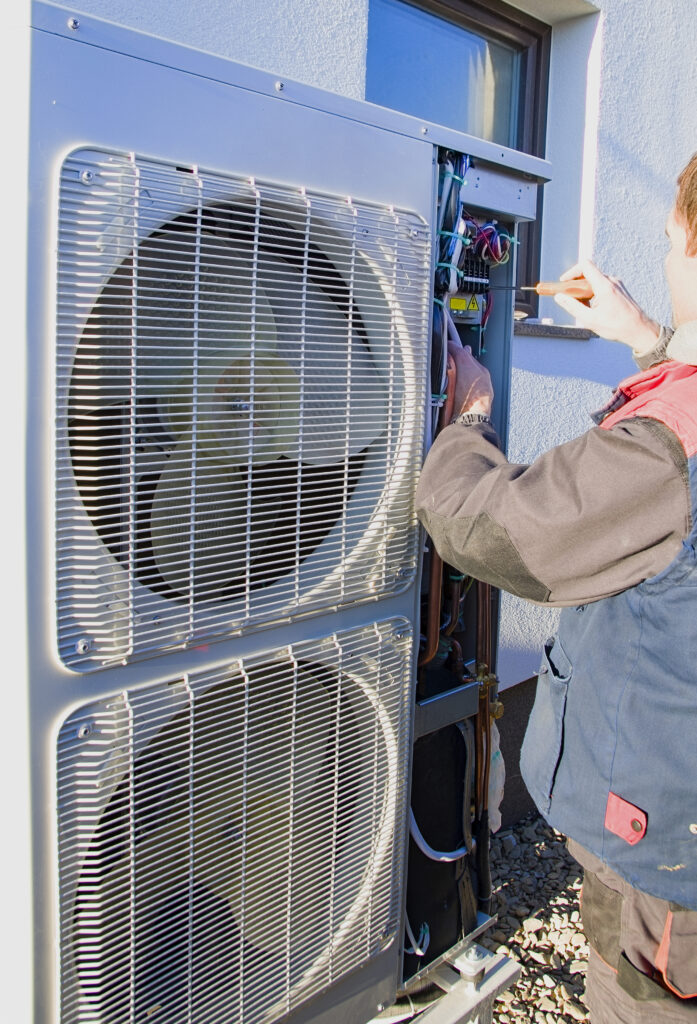
The thermostat sensors attached to the outdoor coil can also fail. These sensors tell the board how cold the coil is. If a sensor is broken and sends a false reading that the coil is warm, the defrost cycle will never initiate. Another potential failure point is the outdoor fan motor. This fan is responsible for pulling air through the coil. If the motor burns out or the capacitor fails, the fan will stop spinning. Without air movement, the heat transfer stops, and the coil freezes in a matter of minutes.
The reversing valve itself can also stick. This is the mechanical slide that switches the refrigerant flow. If it gets stuck in the heating position, the system physically cannot switch to the cooling mode needed to melt the ice. These are complex repairs that require testing electrical circuits and handling refrigerant. They are not DIY projects. A certified technician from Lolich Heating and Cooling has the diagnostic tools to pinpoint which component has failed and replace it safely.
The Risks of Low Refrigerant Levels
Refrigerant is the substance that circulates through your heat pump to move the heat. It is vital that the system contains the exact amount of refrigerant specified by the manufacturer. If the charge is low, the pressure inside the system drops. When the pressure drops, the temperature of the refrigerant drops with it. This causes the indoor or outdoor coils to become much colder than they were designed to be.
A low refrigerant charge creates a situation where the coil temperature stays below freezing, and the moisture in the air freezes on contact instantly. The defrost cycle may try to run, but because the overall system pressure is so low, there is not enough heat energy in the refrigerant to melt the ice effectively. The result is a system that runs constantly, provides lukewarm air to your home, and remains frozen.
Low refrigerant always means there is a leak. Refrigerant does not dissipate or get used up over time. Simply adding more refrigerant, often called “topping it off,” is not a solution. It is a temporary band aid that wastes money and harms the environment. The leak must be found using electronic detectors or UV dye, and then repaired before the system is recharged. Running a heat pump with low refrigerant causes the compressor to overheat and work much harder, which can lead to an early and expensive death for the heart of your HVAC system.
A frozen heat pump is a clear signal that your heating system needs attention. While a small amount of frost is a natural byproduct of heating your home during a Chesterfield winter, a solid encasement of ice is a threat to your comfort and your wallet. By taking immediate action to turn off the unit and switch to emergency heat, you protect the expensive compressor from damage. Simple steps like changing your air filter, clearing snow and leaves away from the unit, and fixing leaky gutters can often resolve the issue and prevent it from coming back.
However, if these basic troubleshooting steps do not keep the ice away, it is time to call in the experts. Mechanical failures with the defrost board, fan motors, or refrigerant leaks require the skill and tools of a professional. The team at Lolich Heating and Cooling is ready to diagnose the root cause of your freezing issues. We can restore your system to proper operation, ensuring efficient, reliable heat for your home and extending the life of your equipment. Do not let a frozen unit leave you in the cold; reach out for professional support and get your system running smoothly again.